Amla: The Ancient Indian Tonic for Revitalization

Amla, or Indian Gooseberry, is a time-honored fruit celebrated in Ayurveda for centuries as a powerful medicinal food and tonic. 🥰 Bursting with vitamin C and potent antioxidants, this small yet mighty fruit has earned its place as a natural enhancer of immunity, skin health, and overall vitality. ✨ In many regions of India, Amla is not merely a food item—it is revered as a rejuvenating elixir, deeply woven into the cultural and historical fabric of traditional wellness practices.
Health Benefits of Amla
Amla’s impressive nutritional profile is primarily due to its high concentration of vitamin C, which acts as a robust antioxidant. This vitamin helps neutralize free radicals, thereby reducing oxidative stress and supporting a strong immune system. 💪 In addition to immune enhancement, Amla offers a range of other health benefits:
- Antioxidant Power: The polyphenols and tannins present in Amla work to repair cellular damage, contribute to anti-aging effects, and reduce inflammation. 🌿
- Digestive Health: Regular consumption of Amla aids in improving digestion and maintaining a healthy gastrointestinal system. Its natural fiber content promotes smooth bowel movements and helps regulate metabolism. 肠胃健康
- Cardiovascular Support: Some studies suggest that Amla may help in managing cholesterol levels and improving overall heart health, making it a heart-friendly addition to the diet. ❤️
- Blood Sugar Regulation: The bioactive compounds in Amla contribute to balanced blood sugar levels, which is essential for managing diabetes and preventing metabolic disorders. 🩸
Cultural and Historical Significance

In traditional Indian culture, Amla is celebrated not just for its health benefits but also for its profound cultural significance. It is often classified as a **rasayana**—a rejuvenator that nourishes both body and mind. 🙏 Across various regions, particularly in rural and Ayurvedic communities, Amla has long been incorporated into daily diets and special preparations as a natural tonic or “bo-yak” (herbal elixir) to promote longevity and vitality. Its use is documented in ancient texts and passed down through generations, symbolizing a holistic approach to health that emphasizes balance, rejuvenation, and the harmonious integration of food and medicine.
Key Health Ingredients and Their Roles
Amla’s status as a revered health food can be attributed to its essential bioactive components:
- Vitamin C: Often hailed as a natural immune booster, the vitamin C in Amla helps strengthen the body's defense mechanisms against infections while also promoting healthy, radiant skin. ✨
- Antioxidants (Polyphenols and Tannins): These compounds play a crucial role in combating oxidative stress, reducing inflammation, and supporting cellular repair, which in turn contribute to anti-aging benefits. ⏳
- Flavonoids: These naturally occurring substances further enhance the anti-inflammatory and digestive properties of Amla, aiding in smoother digestion and overall metabolic health. 🌱
Recommended Recipe: Amla Chutney
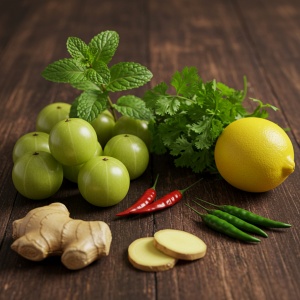
One of the most popular ways to harness Amla’s healing properties is through a traditional dish—**Amla Chutney**. 😋 This tangy, refreshing condiment not only adds a burst of flavor to meals but also serves as a natural tonic.
Ingredients:
- 3–4 medium-sized fresh Amlas (washed and chopped; seeds removed if preferred)
- A handful of fresh mint leaves
- A handful of coriander leaves
- 2 small green chilies (adjust to taste)
- 1-inch piece of fresh ginger (peeled and chopped)
- Juice of 1 lemon
- Salt to taste
- A pinch of jaggery (optional, for a hint of sweetness)
Basic Cooking Method & Recipe Outline:
- Preparation: Begin by washing the Amla thoroughly. Cut them into small pieces, ensuring that any seeds are removed to avoid bitterness.
- Blending: In a blender or food processor, combine the Amla pieces with the mint leaves, coriander leaves, green chilies, and ginger. Add the lemon juice, salt, and a pinch of jaggery if using.
- Processing: Blend the mixture until you achieve a smooth consistency, but still retain a bit of texture to give the chutney a hearty feel.
- Adjusting Flavors: Taste the chutney and adjust the seasoning if necessary. You might add more lemon juice for tanginess or a little extra jaggery to balance the flavors.
- Serving: Transfer the chutney into a serving bowl. It can be enjoyed immediately as a zesty side condiment or stored in an airtight container in the refrigerator for a few days.

Conclusion
Amla is far more than a simple fruit—it is a cornerstone of traditional Indian health practices and a cherished symbol of natural wellness. With its powerful blend of vitamin C, antioxidants, and flavonoids, Amla offers remarkable benefits ranging from immune enhancement and improved digestion to anti-aging and cardiovascular support. Its deep-rooted cultural significance as a rejuvenator in Ayurveda underlines its role as both a food and a tonic, providing nourishment that spans body, mind, and spirit. 💖
Whether consumed as a refreshing chutney, a revitalizing juice, or integrated into various traditional recipes, Amla continues to be celebrated across regions as a vital, health-promoting ingredient. Embracing Amla in your daily diet is not only a nod to ancient wisdom but also a proactive step towards holistic well-being and vitality. Enjoy! 😊
Comments
Post a Comment